Training
SESSION 2: FAMILY BASED COMMUNITY DEVELOPMENT
This component covers the philosophy, stages, and skills of Family Based Community Development (FBCD).
Training teaches child and family community workers about the community-level interventions needed to build
protective and nurturing environments around children at-risk. Family-based community development builds the
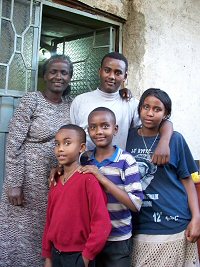
resilience of children by strengthening the productive, protective, and developmental capacities of families.
It also identifies how families co-produce education, safety, and other important good things for children
with schools, associations, and other local organizations. Such capacities aid in poverty reduction or
prevention through small enterprise development, improved capacities to manage family assets, and improved
 capacities to maintain nurturing and enriching developmental settings for children. Training Session 2 draws
on well known frameworks for community development and incorporates into them strategies for fostering the
productive capacities of families. Central among those productive family capacities are those that foster
income generation, but also those that create positive, proactive roles for families in the co-production of
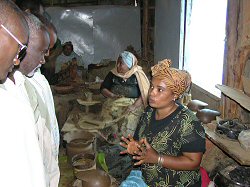
child protection at the community level. Trainees will be introduced to community development in the Ethiopian
context through site visits to organizations exhibiting best practices in this area. Participants will be
guided through a variety of practical exercises that will give them hands-on experience with community
assessment that takes into account productive family assets, the creation of sound business plans for
micro-enterprises and cooperative social enterprises, and community development approaches that mobilize
families and community institutions around sustained and effective approaches to child protection and
development.
capacities to maintain nurturing and enriching developmental settings for children. Training Session 2 draws
on well known frameworks for community development and incorporates into them strategies for fostering the
productive capacities of families. Central among those productive family capacities are those that foster
income generation, but also those that create positive, proactive roles for families in the co-production of
child protection at the community level. Trainees will be introduced to community development in the Ethiopian
context through site visits to organizations exhibiting best practices in this area. Participants will be
guided through a variety of practical exercises that will give them hands-on experience with community
assessment that takes into account productive family assets, the creation of sound business plans for
micro-enterprises and cooperative social enterprises, and community development approaches that mobilize
families and community institutions around sustained and effective approaches to child protection and
development.
Download the curriculum summary and schedule for Session 2.
ASSIGNMENT #2
At the end of Training Session 2, participants will be given guided assignments to apply what they have learned in the communities that they have begun to assess, as well as to their own work settings.Download Assignment 2.